

Healing Happens in Relationships: Why Support Systems Matter
Healing is often described as a personal journey; something internal, private and solitary. While inner work is important, real and lasting healing rarely happens alone. For vulnerable youth, especially those who have grown up with instability, abandonment or trauma, healing happens most powerfully in relationships.
Many young people leaving children’s homes or difficult family environments are expected to “be strong” and figure life out on their own. But independence without support often leads to isolation, poor decisions and emotional shutdown. Support systems are not a luxury; they are essential.
Trauma Thrives in Isolation
Many vulnerable youth have learned early that relying on others leads to disappointment. Caregivers change. Homes close. Promises are broken. Over time, self-protection turns into emotional distance.
Isolation may feel safe but it silently reinforces pain. Without healthy relationships:
- Trauma remains unchallenged
- Negative beliefs go unchecked
- Shame deepens
- Coping mechanisms become destructive
Healing requires a different experience, one where consistency, trust and care slowly replace fear and withdrawal.
Why Relationships Are Central to Healing
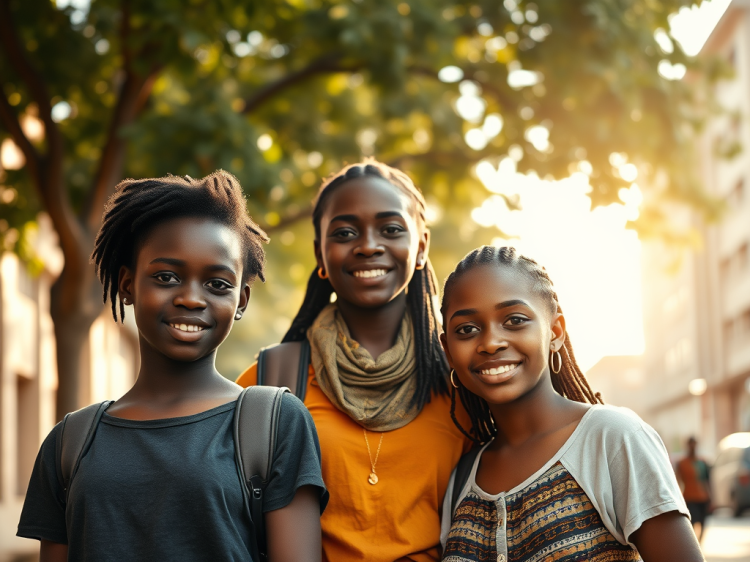
Human beings are wired for connection. Pain that was caused in relationship is often healed in relationship. When a young person experiences safe, supportive connections, their nervous system learns that stability is possible.
Healthy support systems provide:
- Perspective during moments of confusion
- Emotional regulation through presence
- Accountability without punishment
- Affirmation that restores self-worth
For youth who have only known conditional care, these experiences can be life altering.
The Types of Support That Matter Most
Healing does not require a large network. Often, a few consistent relationships make the biggest difference.
Mentors
Mentors offer guidance rooted in experience. They help young people navigate decisions about work, relationships and identity. More importantly, they model adulthood that is stable, responsible and compassionate.
Peers
Healthy peer relationships reduce loneliness and normalize struggle. When youth realize they are not alone in their fears or setbacks, shame loses its grip.
Community
Belonging to a community whether through faith groups, training programs or support organizations creates structure and continuity. Community reminds youth that they matter beyond individual success or failure.
Professionals
Counselors, social workers and coaches play a critical role, especially for youth processing deep trauma. Professional support, combined with relational care, accelerates healing.
What Healing Looks Like Over Time
Healing is not instant. It unfolds slowly, often invisibly. With consistent support, youth begin to:
- Trust others without constant fear
- Communicate needs instead of withdrawing
- Take responsibility without self-hate
- Imagine a future beyond survival
Setbacks still happen. But with a support system, setbacks do not become endings.
The Cost of Doing Life Alone
Youth without support systems often face compounded struggles:
- Mental health challenges that go untreated
- Difficulty maintaining employment
- Repeated unhealthy relationships
- Lack of guidance during critical life decisions
Building Support Systems That Actually Work
Support systems must be intentional. Not all help heals.
Effective support is:
- Consistent rather than occasional
- Respectful rather than controlling
- Patient rather than demanding
- Honest rather than performative
Healing relationships allow room for growth, mistakes and learning without fear of abandonment.
The Role of Faith and Community

For many youth, faith-based communities provide the first experience of belonging without conditions. When faith is practiced relationally not judgmentally, it becomes a powerful healing environment.
Scripture reminds us:
“Carry each other’s burdens and in this way you will fulfill the law of Christ.” (Galatians 6:2)
Healing deepens when people walk together, not when pain is spiritualized or dismissed.
Why Support Systems Heal More Than Programs Alone
Programs end. Funding cycles change. Relationships, when nurtured well, last.
Youth who experience consistent support often become:
- Mentors to others
- Contributors to their communities
- Emotionally healthier parents and leaders
Healing becomes generational when support is relational.
Conclusion: No One Heals Alone
Healing is not a solo achievement. It is a shared process. Vulnerable youth do not need to be “fixed.” They need to be seen, supported and walked with.
Support systems provide the environment where healing can take root. They remind young people that their pain does not disqualify them from love, belonging or a meaningful future.
When communities commit to relationship not rescue, they become places where healing is not rushed but sustained.

