
Walking With, Not Just Giving To: Redefining Help
For many vulnerable youth, help has often come in short bursts; food during a crisis, school fees when pressure is high or a one-time donation meant to “solve” a problem. While these acts are well-intentioned, they often leave young people exactly where they started once the help runs out.
What vulnerable youth truly need is not just something given to them but someone willing to walk with them.
In Kenya, especially among youth leaving children’s homes or growing up in unstable environments, survival support is common. Relational support is rare. Yet, it is relationships not resources alone that lead to lasting change.
The Limits of One-Time Help

Handouts address symptoms, not roots. A young person may receive rent support this month but face the same crisis next month. Without guidance, emotional support or accountability, temporary help becomes a cycle rather than a bridge forward.
Over time, this pattern can unintentionally:
- Reinforce dependency
- Undermine confidence
- Create fear of life without external rescue
When help is transactional, youth may feel like projects instead of people. They learn to ask, not to grow.
What It Means to Walk With Someone
Walking with someone means choosing relationship over convenience. It is not about fixing every problem but about staying present through the process.
Walking with vulnerable youth looks like:
- Listening before advising
- Asking questions instead of issuing instructions
- Staying connected even when progress is slow
- Allowing mistakes without withdrawal of support
This kind of support communicates something powerful: “You are not alone and I’m not going anywhere.”
Why Relationships Create Real Change
Healing and growth do not happen in isolation. They happen in the context of trust. Many vulnerable youth carry a history of abandonment, broken promises and conditional care. Without intentional relationships, those wounds remain open.
Relational support:
- Builds emotional safety
- Encourages responsibility rather than dependence
- Allows correction without shame
- Models healthy adult behavior
In Kenya, mentorship programs that prioritize long-term relationships consistently show better outcomes than short-term aid projects. Youth thrive when someone stays.
Walking With Is Slower but Stronger

One of the reasons relational support is avoided is because it takes time. It does not produce quick success stories. It requires patience, boundaries and commitment.
Walking with a young person means:
- Celebrating small wins
- Repeating lessons without frustration
- Showing up after failure
- Choosing faithfulness over visible results
This slow process is what builds independence. It teaches youth how to think, decide and act for themselves.
The Role of Boundaries in Relational Support
Walking with someone does not mean carrying them. Healthy support includes boundaries. Boundaries protect both the supporter and the youth.
Healthy boundaries:
- Prevent burnout
- Clarify expectations
- Encourage personal responsibility
- Keep the relationship respectful and sustainable
Redefining Help in the Kenyan Context
In many communities, help is measured by what is given. But impact should be measured by what is built.
Effective support for vulnerable youth includes:
- Consistent mentorship
- Emotional support during transitions
- Accountability paired with compassion
- Life skills training alongside financial assistance
When help becomes relational, youth begin to see themselves differently; not as recipients but as capable individuals with potential.
Why Walking With Matters More Than Ever
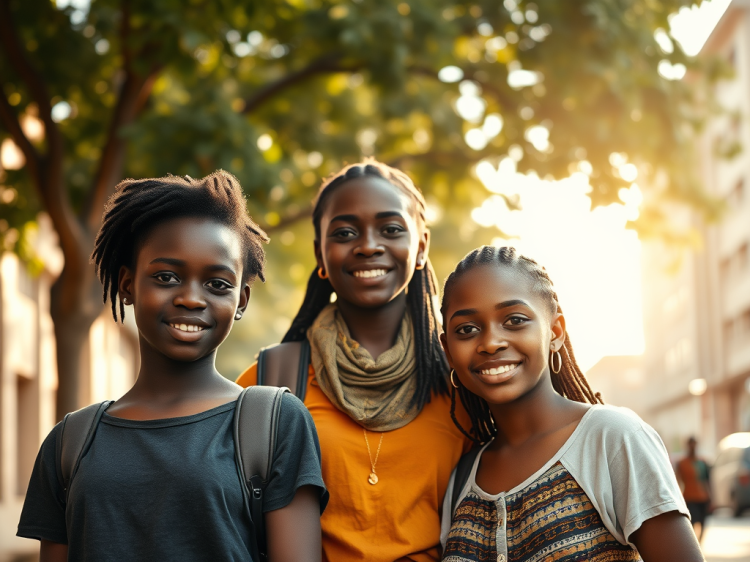
Youth today face complex challenges: unemployment, identity confusion, mental health struggles and social pressure. These issues cannot be solved with money alone.
Walking with young people:
- Builds resilience
- Restores dignity
- Creates stability
- Breaks cycles of dependency
It transforms help from a moment into a journey.
From Handouts to Partnership
Real help is not about how much is given, it is about how long someone is willing to stay. Vulnerable youth do not need saviors. They need partners, mentors and consistent adults who believe in them.
When we shift from giving to walking with, we move from temporary relief to lasting transformation. And that kind of help does not just change individual lives, it strengthens families, communities and future generations.

