
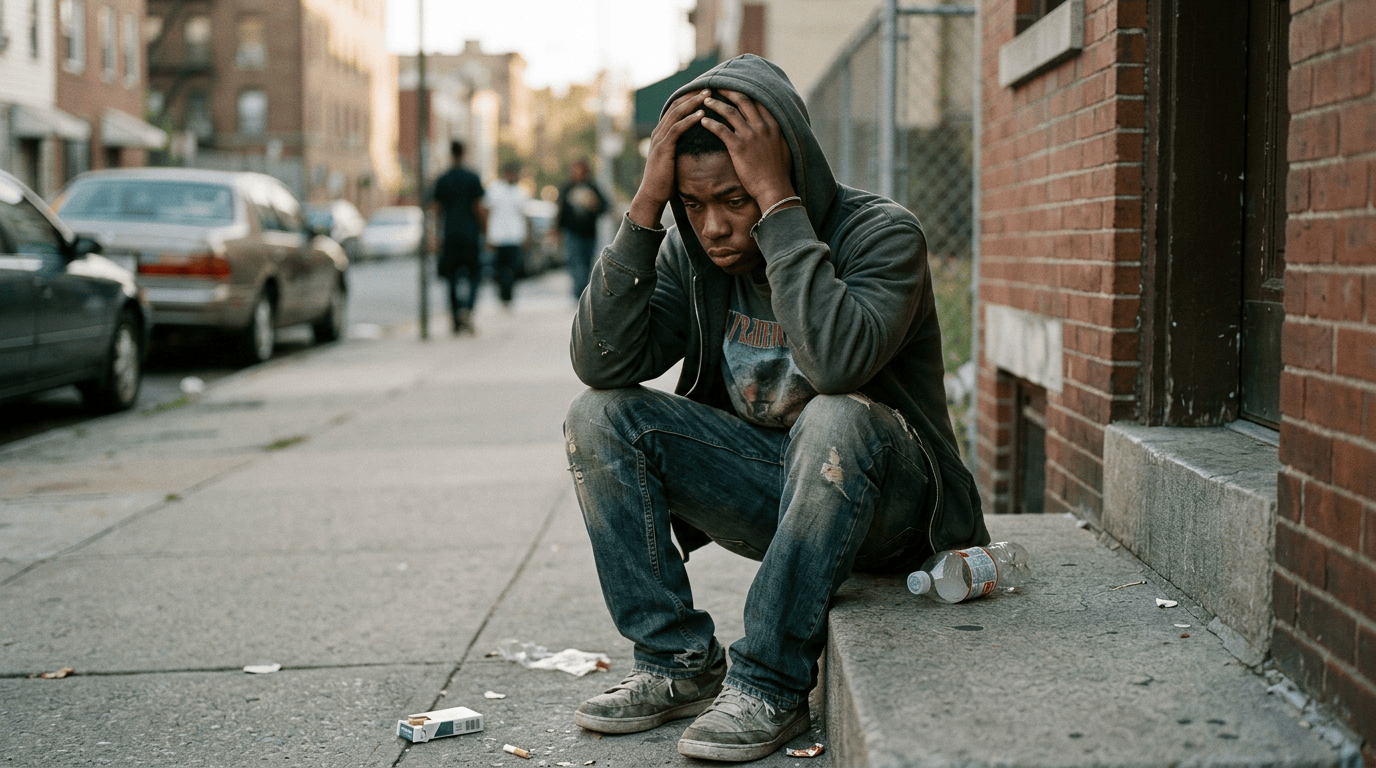
What Is Addiction? Understanding the Struggle Behind the Behavior
When people hear the word addiction, they often think of drugs or alcohol. While addiction can involve substances, it is much broader than that.
People can become addicted to gambling, pornography, social media, shopping, gaming, food, work, or other behaviors that provide temporary relief, pleasure, or escape.
At its core, addiction is not simply a bad habit or a lack of self-control. It is a pattern of dependence in which a person repeatedly turns to a substance or behavior despite the negative consequences it creates in their life.
For many people, addiction is less about seeking pleasure and more about trying to cope with pain.
Understanding addiction requires looking beyond the behavior itself and asking a deeper question:
“What is this person trying to escape, soothe, or survive?”
What Is Addiction?
Addiction is a condition in which a person becomes dependent on a substance or behavior to the point that it begins to control their choices, emotions, and daily life.
What starts as occasional use or a harmless activity can gradually become something a person feels unable to stop, even when they want to.
Over time, the addiction becomes a coping mechanism. Instead of dealing with stress, loneliness, anxiety, rejection, trauma, or emotional pain directly, the person learns to rely on the addictive behavior for temporary relief.
The problem is that the relief never lasts.
The person feels better for a moment, then the underlying pain returns, often stronger than before. This creates a cycle that can be difficult to break.
Why Do People Become Addicted?
Addiction rarely begins because someone wakes up one day and decides to destroy their life.
More often, it begins as an attempt to manage something difficult.
A young person who feels lonely may find comfort online.
Someone carrying unresolved trauma may use alcohol to numb painful memories.
A person struggling with rejection may seek escape through pornography, gaming, or other compulsive behaviors.
What begins as relief gradually becomes dependence.
This is why many addiction specialists describe addiction as an attempt to solve a problem, even though it eventually creates many more.
How Addiction Affects a Person

One of the most damaging aspects of addiction is that it affects far more than the behavior itself.
Over time, addiction can impact relationships, physical health, emotional well-being, finances, education, employment, and self-esteem.
Many people living with addiction experience intense shame. They often know the behavior is harming them, yet they feel trapped by it.
This creates an exhausting cycle.
They promise themselves they will stop.
They fail.
They feel guilty.
They seek comfort.
They return to the addiction.
Each failure reinforces the belief that they are weak, broken, or incapable of change.
The Impact on Identity
Perhaps the deepest damage addiction causes is to a person’s sense of identity.
After enough failures, people can begin defining themselves by their struggle.
Instead of saying, “I have an addiction,” they start believing, “This is who I am.”
They may feel hopeless about the future or assume they will never change.
This is one reason recovery can be so challenging. Healing is not only about stopping a behavior. It is also about rebuilding a person’s understanding of who they are.
People need to learn that their addiction is part of their story, not their identity.
Addiction and Relationships
Addiction often affects the people closest to the individual.
Trust can be damaged. Communication becomes difficult. Family members may experience disappointment, fear, frustration, or emotional exhaustion.
Loved ones frequently struggle to understand why the person continues a behavior that is causing so much harm.
What they may not realize is that addiction often operates at a deeper emotional level than simple choice.
This does not remove personal responsibility, but it helps explain why recovery requires more than willpower alone.
Healing usually involves support, accountability, honesty, and addressing the deeper issues driving the addiction.
Is Recovery Possible?
The good news is that addiction does not have to be the end of the story.
Recovery is possible.
Many people have overcome addictions that once seemed impossible to break. The journey is rarely quick or easy, but change can happen.
Recovery often begins when a person stops hiding and starts seeking help.
This may involve counseling, support groups, mentorship, accountability relationships, spiritual guidance, or professional treatment.
The goal is not simply to remove the addictive behavior. It is to help the person develop healthier ways of dealing with life’s challenges.
What the Bible Says About Freedom

The Bible speaks often about freedom and transformation.
While Scripture may not use modern psychological language, it recognizes humanity’s tendency to become controlled by things that do not lead to life.
God’s desire is not merely behavior modification but restoration.
He offers hope to people who feel trapped, ashamed, or defeated.
No struggle is beyond His ability to redeem.
A person’s past failures do not determine their future, and addiction does not have the final word.
Conclusion
Addiction is far more than a bad habit. It is often a complex struggle involving pain, coping, dependence, and repeated attempts to find relief in unhealthy places.
Its effects can reach every area of a person’s life, including their relationships, confidence, identity, and sense of hope.
Yet addiction is not a life sentence.
With support, accountability, healing, and perseverance, recovery is possible. People can learn healthier ways to deal with pain, rebuild trust, and rediscover who they are beyond their struggle.
Because addiction may explain part of a person’s story.
But it does not have to define the ending.

