
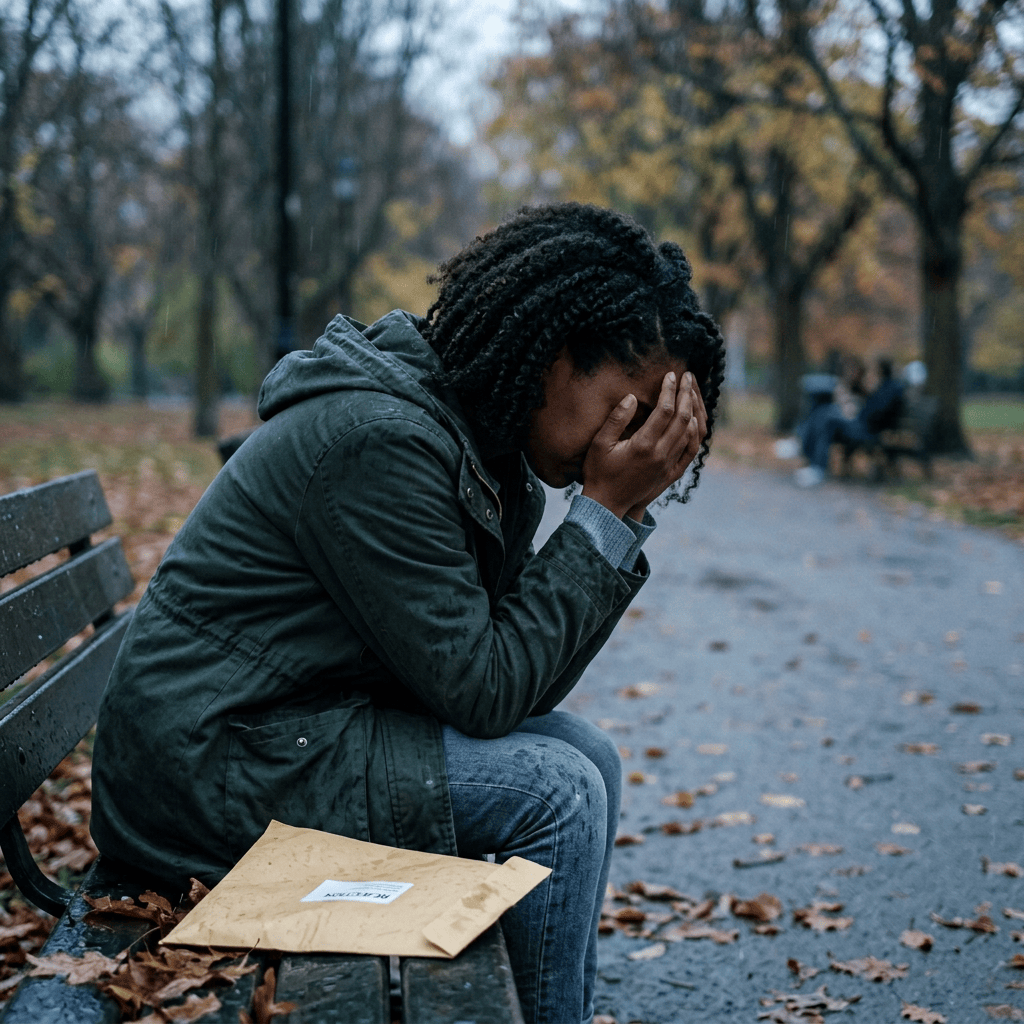
Understanding the Pain of Not Being Chosen
Few experiences affect people as deeply as rejection. Rejection occurs when a person feels unwanted, excluded, dismissed, abandoned or not accepted by others.
Whether it comes from a parent, a friend, a romantic partner, an employer or even an entire community, rejection carries a painful message: “You are not wanted here.”
For some people, rejection is an occasional disappointment. For others, especially those who have experienced abandonment, neglect, family breakdown or repeated setbacks, rejection becomes a recurring wound that shapes how they see themselves and the world around them.
Understanding rejection is important because its effects often go far beyond the moment in which it occurs.
Sometimes rejection is direct, such as being turned down for a job, ending a relationship or being excluded from a group. Other times it is more subtle. A child whose emotional needs are constantly ignored may feel rejected even if nobody explicitly says they are unwanted.
At its core, rejection threatens one of the deepest human needs: the need to belong.
Human beings were created for connection. We want to be loved, accepted, valued and included. When those needs are not met, rejection can leave a significant emotional impact.
Why Rejection Hurts So Much
The pain of rejection is not just emotional; it strikes at a person’s sense of worth and identity.
Many people do not simply hear, “You didn’t get the job.” Instead, they hear, “You’re not good enough.”
They do not simply hear, “This relationship ended.” They hear, “You are not lovable.”
This is why rejection often hurts more than the event itself. The mind begins attaching meaning to the experience.
For vulnerable youth and individuals who have already experienced loss, neglect or abandonment, each new rejection can reinforce old wounds and negative beliefs.
How Rejection Affects People
When rejection is experienced repeatedly, it can begin to shape behavior and self-perception.
Some people become withdrawn and avoid relationships because they fear being hurt again. Others become people-pleasers, constantly seeking approval in an attempt to avoid future rejection.
Some struggle with low self-esteem and begin believing they have little value. Others become angry, defensive or distrustful because rejection has taught them that people are unsafe.
In many cases, the greatest damage is not the rejection itself but the story people start telling themselves afterward.
A person may begin to believe:
- I am not good enough.
- Nobody cares about me.
- I don’t belong anywhere.
- I will always be abandoned.
Over time, these beliefs can become deeply rooted if they are never challenged.
Rejection Is an Experience Not an Identity
One of the most important things people can learn is that rejection is something that happens to a person. It is not who they are.
Being rejected by a school does not mean someone lacks potential.
Being rejected by an employer does not determine a person’s value.
Being rejected by another person does not mean someone is unworthy of love.
Unfortunately, many people internalize rejection and allow it to define their identity. They start seeing themselves through the lens of their disappointments rather than their true worth.
Healing begins when people separate what happened from who they are.
The Importance of Healthy Relationships
One of the most effective ways to heal from rejection is through healthy relationships.
When people experience acceptance, encouragement and genuine care, they begin to challenge the belief that they are unwanted or unworthy.
This is why mentors, supportive friends, healthy families, counselors and faith communities play such an important role.
Healing often happens when someone consistently experiences what they were missing before: acceptance without conditions, encouragement without manipulation and care without judgment.
What the Bible Says About Rejection
The Bible acknowledges the reality of rejection.
Many biblical figures experienced it, including Joseph, David and even Jesus Himself.
Yet Scripture consistently teaches that a person’s value is not determined by human acceptance.
Psalm 27:10 says:
“Though my father and mother forsake me, the Lord will receive me.”
This verse offers hope to anyone who has experienced rejection. Human beings may fail, abandon or disappoint us but God’s love and acceptance remain constant.
Our worth comes from who God says we are, not from who accepts or rejects us.
Conclusion
Rejection is one of life’s most painful experiences because it touches our deep desire to belong, be valued and be loved.
When left unaddressed, rejection can affect confidence, relationships, identity and emotional well-being. But rejection does not have to define a person’s future.
A rejection experience is not proof of worthlessness. It is simply one chapter in a much larger story.
With support, healing, healthy relationships and a renewed understanding of personal value, people can move beyond rejection and discover that their worth was never determined by the people who failed to choose them.

