
Why Hurt People Hurt People: Understanding the Cycle of Pain
Introduction
One of the most heartbreaking realities of human relationships is that people who have been wounded often end up wounding others. The pain they received becomes the pain they give.
A child who grows up in anger becomes an angry adult.
Someone who was constantly criticized becomes highly critical of others.
A person who experienced rejection struggles to trust and pushes people away.
This does not happen because people wake up and decide to hurt others. More often, it happens because unresolved wounds have a way of shaping how people think, behave, and relate to those around them.
This is why the phrase “hurt people hurt people” contains an important truth.
Pain that is not healed is often passed on.
Pain Has a Way of Reproducing Itself
When people experience emotional wounds, they do not simply disappear with time.
Rejection, abandonment, neglect, betrayal, humiliation and criticism often leave lasting marks.
If these wounds are never addressed, they begin influencing behavior.
Someone who was repeatedly rejected may become a people-pleaser in an attempt to gain acceptance.
Someone who grew up around anger may see conflict as the normal way to solve problems.
Someone who was betrayed may struggle to trust even trustworthy people.
Without realizing it, many people start repeating patterns they once suffered under.
The Story We Tell Ourselves
The experiences people have in childhood and early adulthood often shape the beliefs they carry about themselves and others.
A young person who was constantly criticized may begin believing: “I am never good enough.”
Someone who experienced abandonment may believe: “People always leave.”
Someone who was repeatedly hurt may conclude: “The safest thing is not to trust anyone.”
These beliefs affect future relationships. They influence how people interpret situations, respond to conflict and treat others.
The wound becomes a lens through which they see the world.
A Practical Example
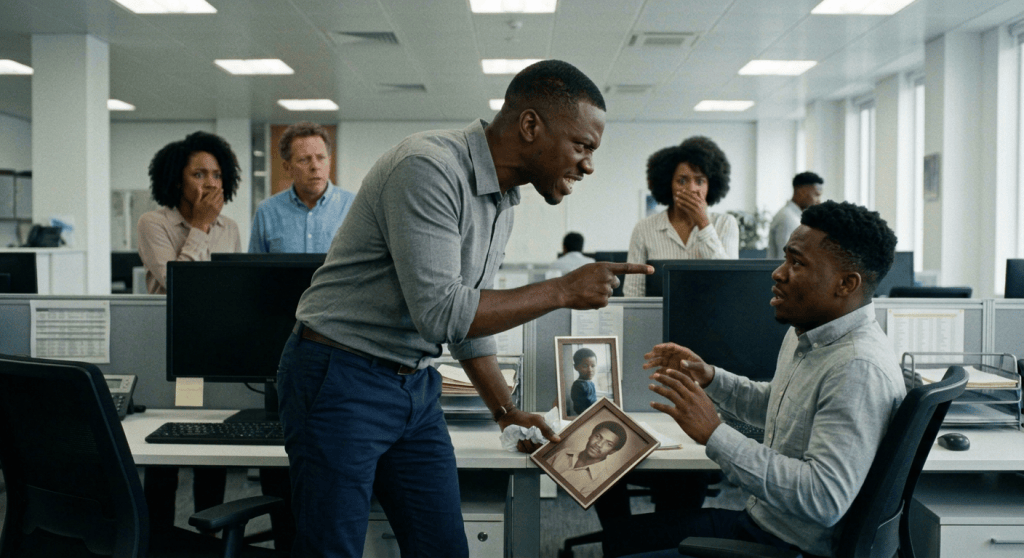
Imagine a young man who grew up with a father who was harsh, critical and emotionally unavailable.
As a child, he longed for encouragement but rarely received it. Every mistake was highlighted. Every success was overlooked.
Years later, he becomes a manager, husband or father himself.
Without realizing it, he speaks to others the way he was spoken to.
He struggles to encourage people, he expects perfection and finds fault easily.
What happened?
The criticism he received became the criticism he gave.
This is how cycles of pain continue from one generation to the next. He never intended to repeat the pattern but the wound was never healed.
Healing Is How the Cycle Ends
The Bible acknowledges that unhealthy patterns often pass from one generation to another.
Families can pass down anger, dysfunction, fear, neglect and destructive habits. A person’s past may influence them but it does not have to control them.
God’s desire is not simply to help people survive their wounds. His desire is to heal them so the cycle stops.
The cycle of pain is rarely broken through willpower alone. It is broken through healing.
People must become aware of the wounds they carry. They must acknowledge the pain rather than pretending it does not exist.
They must allow God, healthy relationships, counselors and supportive communities to help them process what happened.
Healing does not change the past but it changes how the past influences the future. A healed person is far less likely to pass their pain on to others.
Conclusion
Hurt people often hurt people because pain that remains unresolved tends to reproduce itself.
The wounds people carry influence how they think, relate, trust and respond to others. Left unhealed, these wounds can create cycles that continue for years or even generations.
One of the most powerful decisions a person can make is choosing that the pain stops with them.
The person who breaks a cycle may never fully realize how many lives they influence in the process. When one person heals, families heal and future generations benefit.

