

Why Kindness Must Be Taught, Modeled and Practiced
Many people assume kindness comes naturally. They believe human beings automatically know how to treat others with compassion, patience and respect.
But kindness is not automatic. Children and young people learn how to treat others largely through what they experience around them.
A person raised in an environment filled with anger, criticism, neglect or emotional coldness may struggle to express kindness consistently because they were never shown what healthy compassion looks like.
This is why kindness must be taught intentionally, modeled consistently and practiced repeatedly.
A healthy society is shaped by everyday human behavior; how people speak to each other, handle conflict and treat those who are vulnerable.
Kindness Is More Than Being “Nice”
Many people confuse kindness with weakness or people-pleasing.
Biblical kindness is much deeper than simply being agreeable. It involves treating people with dignity, responding with compassion, speaking wisely and showing patience even during difficult situations.
The Bible says:
“Be kind and compassionate to one another…” Ephesians 4:32
This command exists because kindness requires intentionality. Human beings naturally drift toward selfishness, impatience and emotional reactivity, especially when stressed or wounded.
Modeling Kindness Matters More Than Talking About It
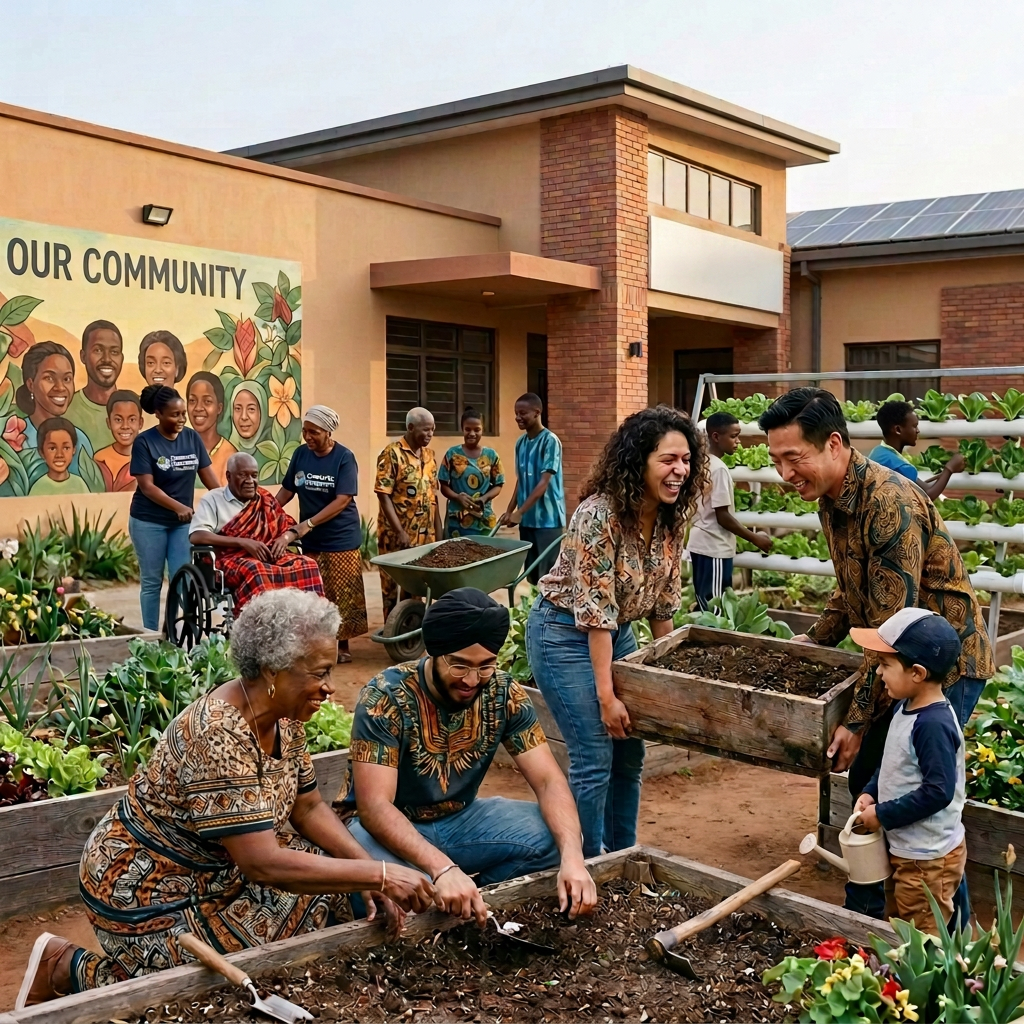
People learn more from observation than instruction.
A parent can teach kindness verbally but if a child constantly witnesses cruelty, disrespect or emotional abuse, those behaviors often leave a stronger impression.
Kindness becomes believable when it is modeled consistently.
This matters especially for vulnerable youth who may have spent years surrounded by rejection, instability or harsh treatment. Sometimes people learn compassion for the first time simply because someone treated them gently when they least expected it.
Kindness is not only a personality trait. It is a habit people develop over time.
Practicing kindness may seem simple but it often requires intentional self-control. It means listening instead of dismissing, correcting without cruelty and helping others without superiority.
In a world where many people are already carrying emotional pain, rejection, stress or hopelessness, kindness becomes more than politeness. It becomes part of how healing begins.
Conclusion
Kindness does not automatically grow in people or societies. It must be taught intentionally, modeled consistently and practiced daily.
The way people speak, respond and treat others shapes emotional environments more than many realize. Families, schools, churches and communities all play a role in whether kindness grows or disappears.
In a hurting world, kindness is not something small. It is one of the ways healing, dignity and hope are restored.
Because sometimes a single act of genuine kindness can change the direction of someone’s entire day or even their life.

