

From Shelter to Self-Sufficiency: How to Build a Stable Life After Leaving a Children’s Home Leaving a children’s home is a major turning point. Suddenly, you’re responsible for your own housing, income, and daily decisions. For many young adults in Kenya, this can feel overwhelming but with the right plan and mindset, it’s possible toContinueContinue reading “From Shelter to Self-Sufficiency: How to Build a Stable Life After Leaving a Children’s Home”
Category Archives: Independent living
No One Owes You a Job: Taking Responsibility for Your Future

Discover why no one owes you a job and how 2 Thessalonians 3:10 challenges young people to take responsibility, reject entitlement, and create opportunities for their future.
Why Many Youth from Children’s Homes Struggle And How to Break the Cycle

Many youth from children’s homes struggle with identity, support, and opportunities. Learn why and discover proven ways to break the cycle for good.
How to Stay Motivated in Your Job Search (Even When No One Is Hiring)
Job searching can be disheartening with countless applications and rejections leading to self-doubt. Maintaining motivation is crucial; creating a routine, building skills, and celebrating small achievements can help. Additionally, volunteering and staying connected with supportive communities can lead to unexpected opportunities. Consistency and resilience are vital for eventual success.
Earning a Living After Leaving a Children’s Home

How to Make Money and Build a Career Leaving a children’s home marks the beginning of a new chapter, one filled with both freedom and fear. Suddenly, you’re expected to figure out how to earn a living, support yourself, and build a future, often with no safety net. And for many youth in Kenya whoContinueContinue reading “Earning a Living After Leaving a Children’s Home”
Life After a Children’s Home

Why Transitioning Is Harder Than You Think Leaving a children’s home is often seen as a happy ending, finally stepping out into “freedom.” But for many young people, freedom doesn’t always feel like victory. It often feels like being pushed into deep waters without a life jacket. In Kenya, thousands of children grow up inContinueContinue reading “Life After a Children’s Home”
No One Owes You a Job! Take Responsibility for Your Future
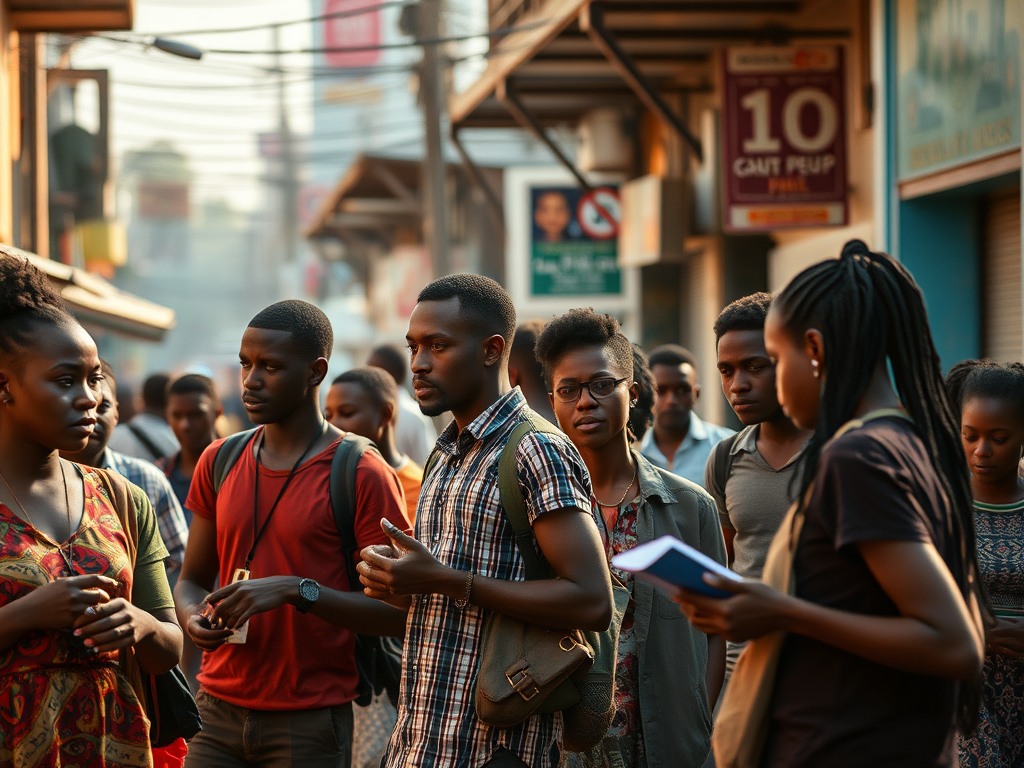
No One Owes You a Job: Taking Responsibility for Your Future In today’s world—especially in Kenya where youth unemployment remains high—it’s easy to fall into the trap of frustration, blame, and waiting for someone to rescue you. Maybe you’ve sent out dozens of job applications and gotten no responses. Maybe no one in your familyContinueContinue reading “No One Owes You a Job! Take Responsibility for Your Future”
Life After Care: How to Rebuild When You Feel Behind

The post emphasizes that young adults in Kenya leaving children’s homes often feel behind their peers. It encourages acceptance of one’s circumstances and advocates starting with small, achievable goals, seeking mentorship, and embracing spiritual growth. The journey of rebuilding may be challenging, but it is valid, and a positive future remains attainable.
Life After a Children’s Home: Why Transitioning Is Harder Than You Think

Transitioning from a children’s home at 18 poses significant challenges for young adults, including emotional struggles, financial instability, and social barriers. Lacking support and resources, many face isolation and discrimination. However, preparation, mentorship, and skill development can facilitate smoother transitions, enabling them to build successful and fulfilling lives.
Money Mistakes Youth Make and How to Avoid Them

Young people in Kenya often make financial mistakes like living beyond their means, neglecting savings, borrowing recklessly, lacking financial literacy, and ignoring biblical wisdom. To avoid these pitfalls, it’s vital to budget, prioritize needs, save consistently, borrow wisely, educate oneself financially, and apply biblical principles for better money management.

