

When Silence Hurts More Than Harsh Words
For many young people, the most painful experiences were not the insults or punishments, they were the silences. The moments no one asked how they were doing. The seasons when effort went unnoticed. The years when survival was expected but encouragement was absent.
This is especially true for youth who grew up in children’s homes, unstable families or environments where affirmation was rare. They learned early how to endure but not how to believe in themselves.
Words may seem small but for a young person searching for identity and direction, encouragement can mean the difference between giving up and trying again.
Why Encouragement Is Not a “Soft” Thing
Encouragement is often dismissed. Yet research and lived experience tell a different story. Words shape identity. Repeated messages, whether positive or negative, become internal beliefs over time.
A young person who constantly hears:
- “You are slow”
- “You will never make it”
- “You should be grateful for whatever you get”
Eventually stops dreaming.
On the other hand, a young person who hears:
- “You have potential”
- “You did well, even if it’s not perfect”
- “You are capable of learning”
Begins to see themselves differently.
Encouragement does not erase hardship but it changes how hardship is faced.
The Hidden Wounds Encouragement Helps Heal
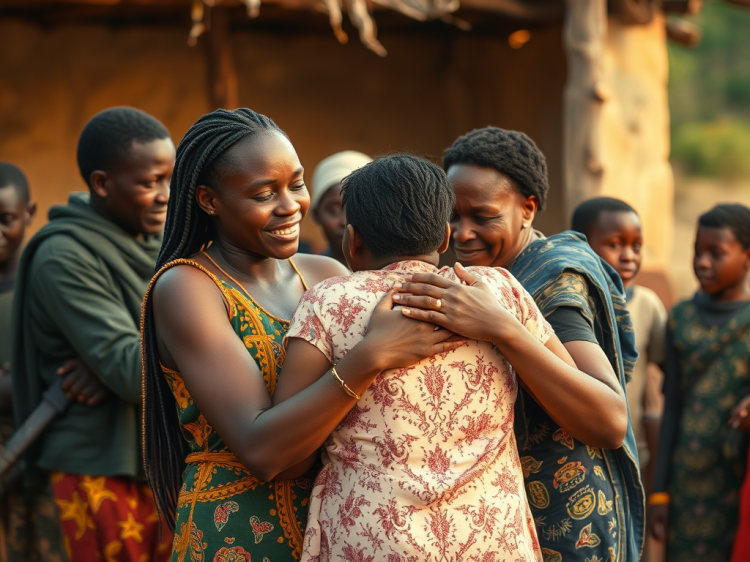
Many vulnerable youth carry invisible wounds:
- Fear of failure
- Deep shame about their background
- A belief that they must struggle to deserve help
- A sense that their future is already decided
These wounds are rarely healed through advice alone. They heal through repeated, consistent affirmation that counters years of negative messaging.
Encouragement says, “Your past does not disqualify you.”
Words That Jesus Used and Why They Matter
Jesus understood the power of words. He did not only correct; He restored.
To the broken, He said, “Your faith has healed you.”
To the rejected, He said, “Follow me.”
To those overlooked by society, He spoke dignity before behavior changed.
Jesus did not wait for people to become perfect before affirming them. He spoke life first and transformation followed.
This same principle applies today. Encouragement is not rewarding bad behavior. It is calling out what can be redeemed.
e can trace their turning point back to one sentence spoken at the right time.
What Real Encouragement Looks Like
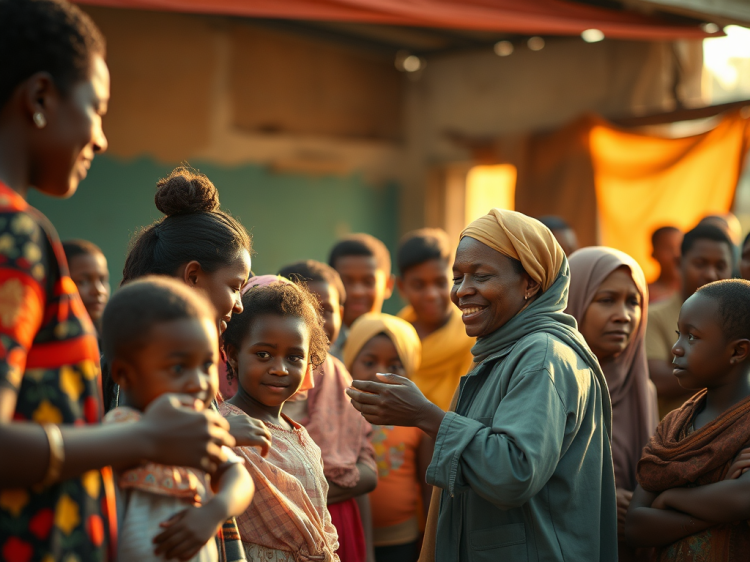
Encouragement is not:
- Empty praise
- False promises
- Ignoring accountability
Real encouragement is honest and grounded.
It sounds like:
- “You struggled here but you didn’t quit.”
- “This is hard but you’re learning.”
- “You’re not there yet and that’s okay.”
Encouragement recognizes reality while still offering hope.
Why Encouragement Must Be Consistent
One encouraging moment helps. Consistent encouragement heals.
Many youth have experienced temporary kindness that disappeared when things got complicated. This inconsistency reinforces abandonment wounds.
Consistency communicates safety.
When a young person knows someone will still speak life over them after failure, trust begins to grow. And trust is the foundation for change.
Encouragement as a Leadership Responsibility
Anyone working with youth, mentors, caregivers, employers, teachers must understand this: your words carry authority.
A careless comment can undo months of progress. A thoughtful word can reignite confidence that was almost lost.
Encouragement is not optional leadership behavior. It is a responsibility.
Strong leaders do not only correct mistakes; they build people.
How Encouragement Changes the Future

Encouraged youth:
- Take healthy risks
- Persist through setbacks
- Develop confidence without arrogance
- Learn to encourage others
Encouragement multiplies. Those who receive it often become those who give it.
This is how cycles break not through pressure but through belief.
Choosing Words That Heal
Words alone cannot solve every problem. But without encouragement, healing becomes much harder.
In the end, encouragement is not about being nice. It is about being intentional with the power we carry.
And when used wisely, words truly heal.
 Daraja la Amani